

Viral Post / 19-Minute Viral Video: Decoding Hidden Digital Hoax Behind Episodes of Payal Gaming, Anjali Arora, Sweet Zannat
·4 months ago·4 min read
Key Points
- Influencers like Payal Gaming and Anjali Arora detail lasting harassment from viral fake videos.
- Cases involve AI deepfakes, misidentification, and non-consensually shared private content.
- Creators emphasize the severe emotional and professional impact beyond the online outrage cycle.
Bhubaneswar, Dec 23: From Payal Gaming to Anjali Arora, Sweet Zannat and Dustu Sonali, young women creators recount the lasting trauma of viral misinformation.
The rapid spread of a purported “19-minute viral video” allegedly linked to several young female influencers has once again drawn attention to a troubling digital pattern. In recent years, several women influencers -- including famous YouTuber Payal Gaming, actor and social media personality Anjali Arora, Instagram creator Sweet Zannat, and Bengali content creator Dustu Sonali -- have found themselves at the centre of viral video controversies that they say led to intense online trolling, harassment and character assassination.
While each case differs in detail, the aftermath has been strikingly similar: unverified claims spreading faster than facts, women being targeted en masse, and long-term emotional and professional consequences that linger well beyond the online outrage cycle.
Payal Gaming and cost of being targeted online
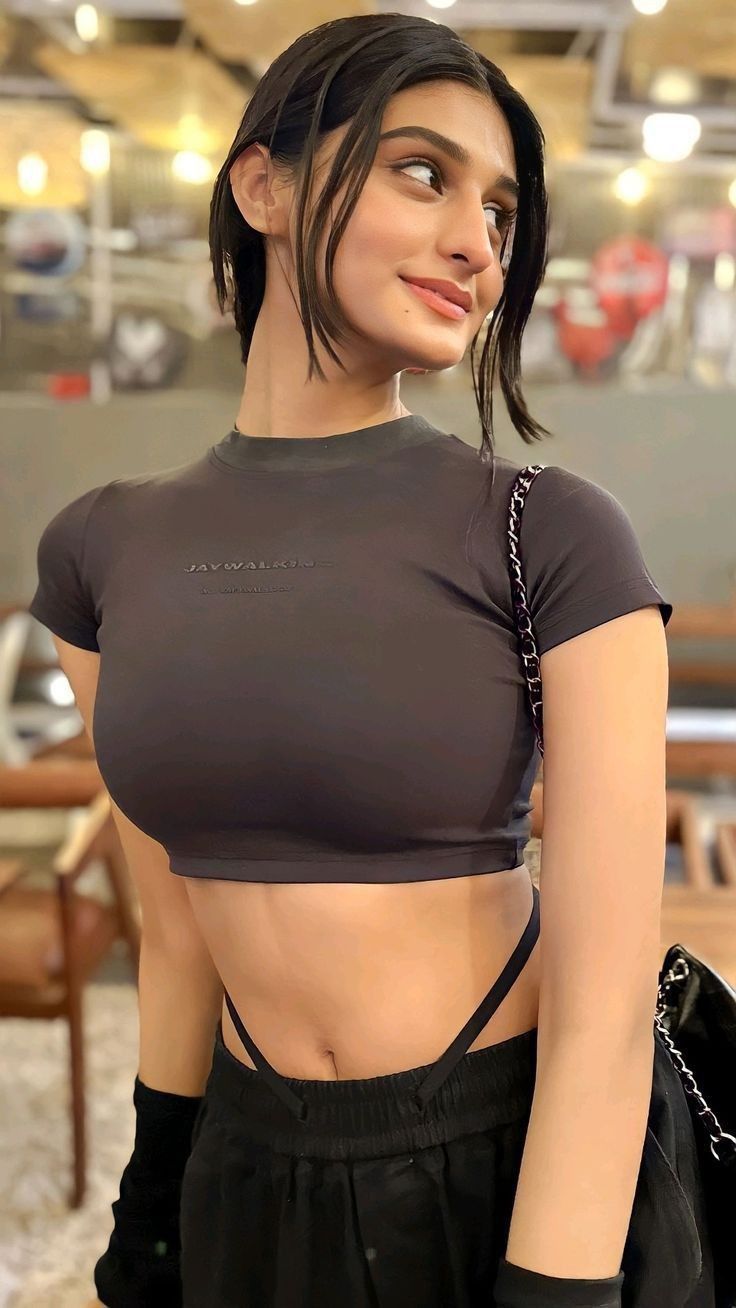
Payal Dhare is among India’s most recognised female gamers and a trailblazer in a largely male-dominated space. She began her YouTube journey in 2019, streaming gameplay from popular titles such as PUBG, Battlegrounds Mobile India and GTA V. Her interactive style helped her build a massive following, making her the first Indian female gamer to cross three million subscribers on the platform.
That success was overshadowed in December 2025 when a video, claimed online to feature Payal, began circulating widely. Multiple fact-checks by digital experts and news outlets later identified the clip as an AI-generated deepfake or footage unrelated to her.
On December 17, Payal addressed the controversy in an Instagram post, firmly denying any involvement and stating that the individual in the video was not her. She described the spread of fabricated content as “deeply hurtful” and “dehumanising” and confirmed that she would take appropriate legal action against those responsible for misusing technology to damage her reputation.
Anjali Arora: ‘One minute of entertainment, years of trauma’

Actor and influencer Anjali Arora, who rose to fame after her viral performance in the ‘Kacha Badam’ trend, has emerged as one of the strongest voices supporting Payal Gaming. Anjali’s own rise was followed by a painful episode when an explicit video -- later identified as morphed -- was circulated online in her name.
Speaking about Payal’s situation, Anjali recalled the harassment she has endured for over three years since the video surfaced. In an emotional message, she said that what online users consume as momentary entertainment often leaves creators dealing with prolonged psychological distress.
According to Anjali, the abuse did not stop at social media comments but extended into her personal and professional life, underscoring how digital misinformation can have lasting real-world consequences.
Sweet Zannat and burden of false identification
Meghalaya-based Instagram influencer Sweet Zannat was another young creator pulled into the controversy surrounding the so-called 19-minute viral video. As the clip circulated across platforms such as Telegram, Instagram and Facebook, users claimed that Zannat was the woman featured, triggering days of sustained harassment.
On November 28, 2025, Zannat publicly denied the claims, pointing out physical differences between herself and the woman in the video. She also noted that the person in the clip spoke fluent English, something she said did not match her own background.
Reports later identified the individuals in the video as Bengali YouTubers Dustu Sonali and Sofik SK, effectively clearing Zannat of the allegations. Zannat subsequently revealed that she had also been targeted through a separate AI-generated deepfake created by two boys from her hometown, who later issued a public apology in her presence.
Dustu Sonali and Sofik SK: When private moments go public
Bengali content creators Dustu Sonali and Sofik SK, both popular in West Bengal and Assam’s regional digital space, were later identified as the couple featured in the viral video. While their case differed from those involving misidentification and deepfakes, it again highlighted how rapidly private content can be circulated without consent, leading to public scrutiny and judgement.
The episode fuelled broader debates around privacy, digital ethics and the responsibility of platforms and users in preventing harm.
A growing pattern of digital abuse
Experts have observed a rising trend in the misuse of alleged leaked videos as tools for defamation, phishing scams and engagement-driven misinformation. The increasing sophistication of AI-generated deepfakes has further blurred the line between reality and fabrication, making women influencers particularly vulnerable.
For Payal Gaming, Anjali Arora, Sweet Zannat and others, speaking out has been about more than denying rumours. It has been an effort to reclaim agency in an online environment where virality often outweighs empathy and where the consequences of falsehoods are borne disproportionately by women.
The rapid spread of a purported “19-minute viral video” allegedly linked to several young female influencers has once again drawn attention to a troubling digital pattern. In recent years, several women influencers -- including famous YouTuber Payal Gaming, actor and social media personality Anjali Arora, Instagram creator Sweet Zannat, and Bengali content creator Dustu Sonali -- have found themselves at the centre of viral video controversies that they say led to intense online trolling, harassment and character assassination.
While each case differs in detail, the aftermath has been strikingly similar: unverified claims spreading faster than facts, women being targeted en masse, and long-term emotional and professional consequences that linger well beyond the online outrage cycle.
Payal Gaming and cost of being targeted online
Payal Dhare is among India’s most recognised female gamers and a trailblazer in a largely male-dominated space. She began her YouTube journey in 2019, streaming gameplay from popular titles such as PUBG, Battlegrounds Mobile India and GTA V. Her interactive style helped her build a massive following, making her the first Indian female gamer to cross three million subscribers on the platform.
That success was overshadowed in December 2025 when a video, claimed online to feature Payal, began circulating widely. Multiple fact-checks by digital experts and news outlets later identified the clip as an AI-generated deepfake or footage unrelated to her.
On December 17, Payal addressed the controversy in an Instagram post, firmly denying any involvement and stating that the individual in the video was not her. She described the spread of fabricated content as “deeply hurtful” and “dehumanising” and confirmed that she would take appropriate legal action against those responsible for misusing technology to damage her reputation.
Anjali Arora: ‘One minute of entertainment, years of trauma’
Actor and influencer Anjali Arora, who rose to fame after her viral performance in the ‘Kacha Badam’ trend, has emerged as one of the strongest voices supporting Payal Gaming. Anjali’s own rise was followed by a painful episode when an explicit video -- later identified as morphed -- was circulated online in her name.
Speaking about Payal’s situation, Anjali recalled the harassment she has endured for over three years since the video surfaced. In an emotional message, she said that what online users consume as momentary entertainment often leaves creators dealing with prolonged psychological distress.
According to Anjali, the abuse did not stop at social media comments but extended into her personal and professional life, underscoring how digital misinformation can have lasting real-world consequences.
Sweet Zannat and burden of false identification
Meghalaya-based Instagram influencer Sweet Zannat was another young creator pulled into the controversy surrounding the so-called 19-minute viral video. As the clip circulated across platforms such as Telegram, Instagram and Facebook, users claimed that Zannat was the woman featured, triggering days of sustained harassment.
On November 28, 2025, Zannat publicly denied the claims, pointing out physical differences between herself and the woman in the video. She also noted that the person in the clip spoke fluent English, something she said did not match her own background.
Reports later identified the individuals in the video as Bengali YouTubers Dustu Sonali and Sofik SK, effectively clearing Zannat of the allegations. Zannat subsequently revealed that she had also been targeted through a separate AI-generated deepfake created by two boys from her hometown, who later issued a public apology in her presence.
Dustu Sonali and Sofik SK: When private moments go public
Bengali content creators Dustu Sonali and Sofik SK, both popular in West Bengal and Assam’s regional digital space, were later identified as the couple featured in the viral video. While their case differed from those involving misidentification and deepfakes, it again highlighted how rapidly private content can be circulated without consent, leading to public scrutiny and judgement.
The episode fuelled broader debates around privacy, digital ethics and the responsibility of platforms and users in preventing harm.
A growing pattern of digital abuse
Experts have observed a rising trend in the misuse of alleged leaked videos as tools for defamation, phishing scams and engagement-driven misinformation. The increasing sophistication of AI-generated deepfakes has further blurred the line between reality and fabrication, making women influencers particularly vulnerable.
For Payal Gaming, Anjali Arora, Sweet Zannat and others, speaking out has been about more than denying rumours. It has been an effort to reclaim agency in an online environment where virality often outweighs empathy and where the consequences of falsehoods are borne disproportionately by women.

📱 Get Argus News App
✨📰 60 Word News🎬 Argus Podcast📺 Live TV and Breaking News🔔 Free Notification Alerts
Download Free:
Related Topics
Explore more stories