



Population Of Drastically Depleted Vulture Species Stabilised: Survey
Key Points
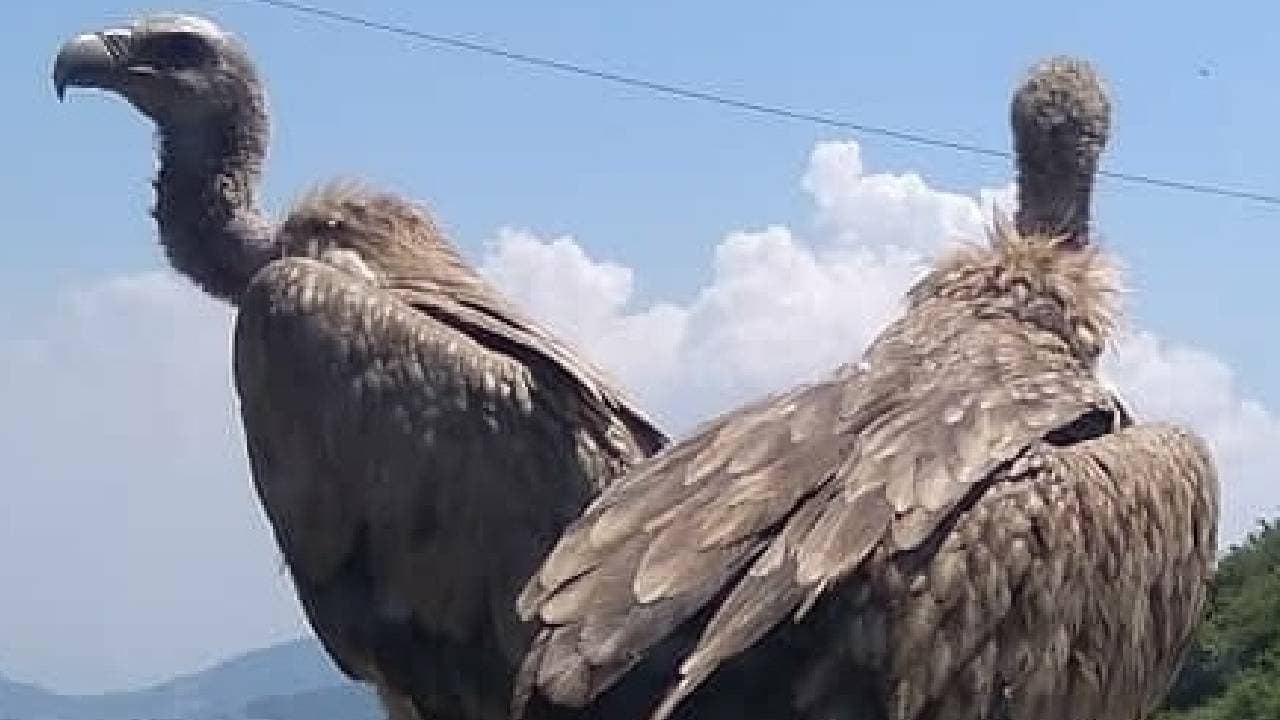
The populations of the drastically depleted resident vulture species have at least stabilised at their new low levels, an update on vulture population trends in India said.
New Delhi, Jan 12: The populations of the drastically depleted resident vulture species have at least stabilised at their new low levels, an update on vulture population trends in India said.
This is, however, in contrast to Nepal where the non-steroidal anti-inflammatory drugs (NSAID) threat has been more effectively addressed since around 2012 and both resident species of Gyps vultures have increased consistently and significantly.
Extensive road transects carried out by the Bombay Natural History Society (BNHS), one of India’s oldest conservation organisations, for the eighth time since 1992 have provided the longest-term and most comprehensive information available on changes in vulture numbers in India.
An update, based upon survey data collected in 2022, was published online in Bird Conservation International this week, demonstrating that populations of the drastically depleted resident vulture species have at least stabilised at their new low levels.
The 17,000 km of road transects took place across 13 states using standardised times and observers. They took place at the end of the breeding season, which maximises the chances of seeing flying vultures, and at a time when migrant species are absent.
Publication of the latest results was keenly awaited to see how effective India’s conservation measures have been. It is partially good news that the declines have stopped, but dashed any hopes that there are signs of recovery. The threat of extinction was very real until the ban on veterinary use of the NSAID diclofenac in 2006.

📱 Get Argus News App
✨Evidence from these surveys suggests that the ban has been partially effective. However, populations remain at very low levels, following declines of 97.9 per cent for the long-billed vulture and 99.8 per cent for the white-rumped vulture since 1992, and 48 per cent and 87 per cent declines respectively since 2002.
Vibhu Prakash, recently retired from BNHS and coordinator of all eight surveys, said, “These surveys are an important measure of how well the vultures are doing. Getting the permissions and experienced team together is always a challenge, but there is no better way of getting a clear picture of the status of vultures across a large swathe of India.”
Read More International News
Surveys in Nepal show a very different picture, with populations growing as fast as it is possible to do. The logical explanation is that the key threat of toxic NSAIDs has been addressed more effectively in Nepal.
(IANS Inputs)