

Iran War / Who Was Ali Larijani, the Power Broker Killed in Israeli Strike?
·2 weeks ago·4 min read
Key Points
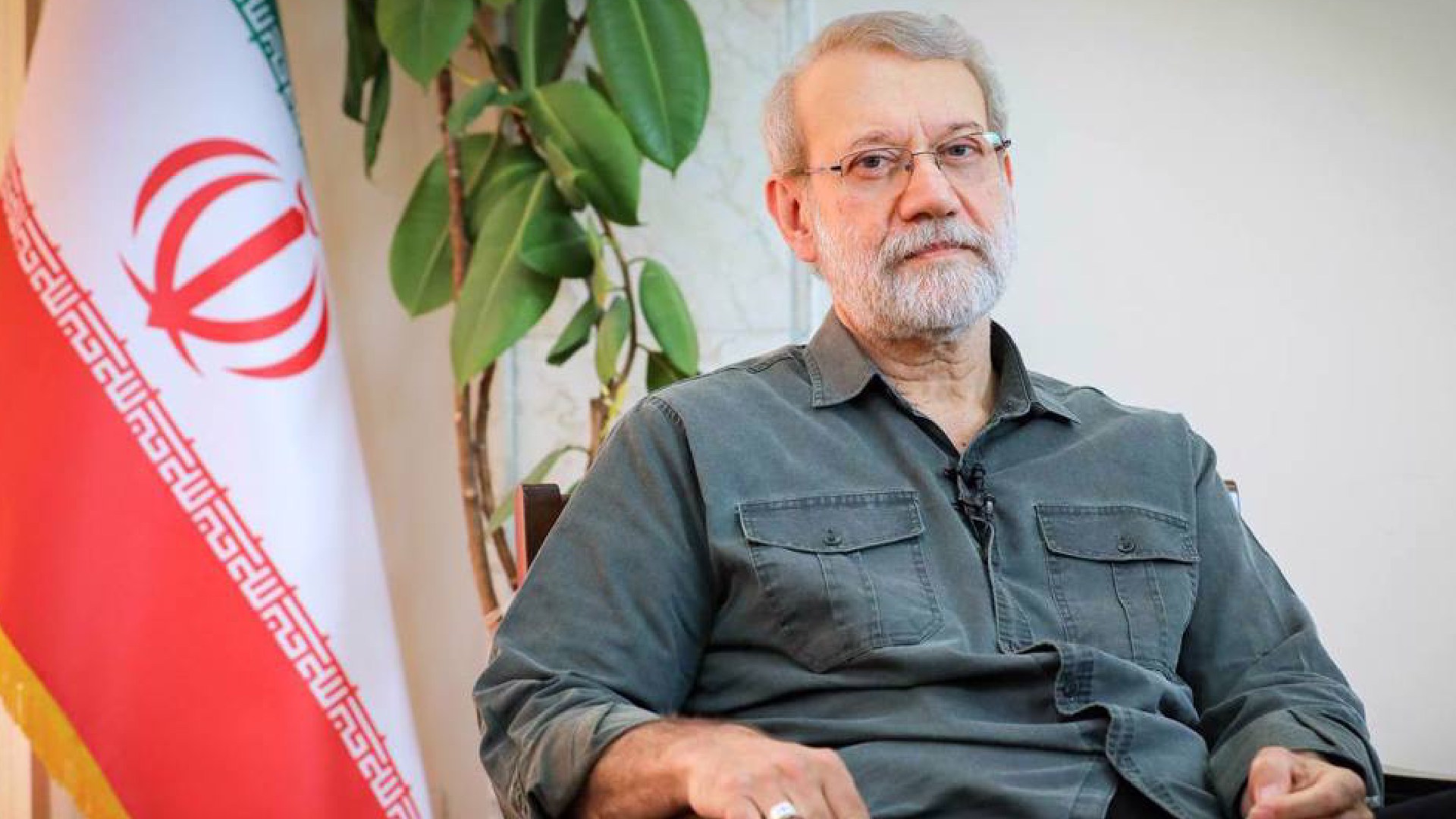
Veteran Iranian politician and senior security official Larijani was killed alongside his son in an Israeli airstrike, Iran's Supreme National Security Council confirmed.
Tehran, Mar 18: Larijani, a veteran Iranian politician and senior security official, was killed in an Israeli airstrike, Iranian state media confirmed. He was 67.
Larijani was killed alongside his son, according to a statement from Iran’s Supreme National Security Council. The statement did not provide details about the circumstances of the strike.
Israel had earlier said it carried out an overnight strike that killed Larijani, describing him as Iran’s de facto leader.
Key Figure in Iran’s Power Structure
Larijani was a central figure in Iran’s conservative political establishment for decades, known for his pragmatic approach and ability to bridge divisions between hardline and moderate factions within the Principlist camp.
His death removes a senior figure from Iran’s leadership at a time of ongoing conflict, further reducing the pool of experienced officials within the system.
“Larijani has long been the bridge builder between the military and political establishment,” said Ellie Geranmayeh, a senior policy fellow at the European Council on Foreign Relations.
“He had been at the forefront of recent negotiations aimed at finding a political breakthrough with Washington,” she said.
Role Expanded After Leadership Losses
Larijani was appointed to a second term as Iran’s top security official in 2025 following Israel’s first war on Iran.
His role became more significant after the Feb. 28 strikes by the US and Israel that killed Supreme Leader Ali Khamenei, prompting Iran’s leadership to adopt a strategy of economic disruption in the region.
In a March 1 interview with state television, Larijani said Israel aimed to fragment Iran and that the United States had become involved in that strategy.
Also Read: US strikes Iran missile sites with 5,000-pound deep-penetrator bombs near Hormuz
Central to Strategic Decision-Making
As secretary of the Supreme National Security Council, Larijani played a key coordinating role in Iran’s security apparatus.
“He was at the center of Iran’s strategic decision-making apparatus,” said Ali Alfoneh, a senior fellow at the Arab Gulf States Institute.
Alfoneh said Larijani functioned as a coordinator, gathering proposals from across the security system, presenting options to leadership and implementing decisions.
Sanctions and Protest Crackdown Allegations
The United States sanctioned Larijani in January, accusing him of overseeing a violent crackdown on anti-government protests that began on Dec. 28.
According to the Human Rights Activists News Agency, 6,488 civilians were killed in the unrest, with more than 11,000 cases still under review. Larijani did not publicly respond to the allegations.
Last Public Appearance and US Reward Offer
Larijani was last seen in public on March 13 at a large state-organised rally in Tehran. Images of him among crowds during ongoing US and Israeli strikes were widely shared on social media.
A day later, he was among those named in a US State Department statement offering a $10 million reward for information on the whereabouts of Iran’s leadership.
Long Career Across Key Institutions
Larijani maintained close ties with the late Ali Khamenei, who appointed him to lead Iran’s state broadcasting organisation and serve on a council resolving legislative disputes.
As head of state media, he oversaw the country’s main broadcasting network, which held a monopoly over airwaves and maintained links with Iran’s intelligence and security agencies.
He later became Iran’s top nuclear negotiator in 2005, engaging with European, Russian and Chinese officials, and building a reputation as a pragmatic diplomat.
Political Career and Internal Rivalries
Domestically, Larijani often clashed with former President Mahmoud Ahmadinejad, with tensions at times requiring intervention from Khamenei.
He stepped down from the Supreme National Security Council in 2007 and was replaced by a hardline figure.
In 2013, Larijani was forced to cut short a public speech after protesters disrupted the event.
Also Read: 'We Don't Need Anybody': Trump Says US Can Secure Strait Of Hormuz Alone After Allies Decline Help
Role in Nuclear Deal and Later Years
Larijani played a significant role in securing legislative approval for Iran’s 2015 nuclear deal with the United States, using his influence and experience in national security.
He later remained active in diplomacy, travelling to Moscow to meet Vladimir Putin and engaging with Gulf states during recent nuclear talks.
Background and Family
Born in Najaf, Iraq, in 1958 to Iranian parents, Larijani came from a prominent religious family.
His brother, Sadiq Amoli Larijani, is an influential cleric and former judiciary chief, often mentioned as a potential future supreme leader.
Larijani studied theology before earning a degree in computer science and mathematics, later pursuing philosophy and writing on Immanuel Kant.
Political Setbacks
After US President Donald Trump withdrew from the nuclear deal during his first term, Larijani’s influence declined.
He was barred twice from running for president, decisions widely seen as reflecting the growing dominance of hardline factions within Iran’s political system.
Larijani was killed alongside his son, according to a statement from Iran’s Supreme National Security Council. The statement did not provide details about the circumstances of the strike.
Israel had earlier said it carried out an overnight strike that killed Larijani, describing him as Iran’s de facto leader.
Key Figure in Iran’s Power Structure
Larijani was a central figure in Iran’s conservative political establishment for decades, known for his pragmatic approach and ability to bridge divisions between hardline and moderate factions within the Principlist camp.
His death removes a senior figure from Iran’s leadership at a time of ongoing conflict, further reducing the pool of experienced officials within the system.
“Larijani has long been the bridge builder between the military and political establishment,” said Ellie Geranmayeh, a senior policy fellow at the European Council on Foreign Relations.
“He had been at the forefront of recent negotiations aimed at finding a political breakthrough with Washington,” she said.
Role Expanded After Leadership Losses
Larijani was appointed to a second term as Iran’s top security official in 2025 following Israel’s first war on Iran.
His role became more significant after the Feb. 28 strikes by the US and Israel that killed Supreme Leader Ali Khamenei, prompting Iran’s leadership to adopt a strategy of economic disruption in the region.
In a March 1 interview with state television, Larijani said Israel aimed to fragment Iran and that the United States had become involved in that strategy.
Also Read: US strikes Iran missile sites with 5,000-pound deep-penetrator bombs near Hormuz
Central to Strategic Decision-Making
As secretary of the Supreme National Security Council, Larijani played a key coordinating role in Iran’s security apparatus.
“He was at the center of Iran’s strategic decision-making apparatus,” said Ali Alfoneh, a senior fellow at the Arab Gulf States Institute.
Alfoneh said Larijani functioned as a coordinator, gathering proposals from across the security system, presenting options to leadership and implementing decisions.
Sanctions and Protest Crackdown Allegations
The United States sanctioned Larijani in January, accusing him of overseeing a violent crackdown on anti-government protests that began on Dec. 28.
According to the Human Rights Activists News Agency, 6,488 civilians were killed in the unrest, with more than 11,000 cases still under review. Larijani did not publicly respond to the allegations.
Last Public Appearance and US Reward Offer
Larijani was last seen in public on March 13 at a large state-organised rally in Tehran. Images of him among crowds during ongoing US and Israeli strikes were widely shared on social media.
A day later, he was among those named in a US State Department statement offering a $10 million reward for information on the whereabouts of Iran’s leadership.
Long Career Across Key Institutions
Larijani maintained close ties with the late Ali Khamenei, who appointed him to lead Iran’s state broadcasting organisation and serve on a council resolving legislative disputes.
As head of state media, he oversaw the country’s main broadcasting network, which held a monopoly over airwaves and maintained links with Iran’s intelligence and security agencies.
He later became Iran’s top nuclear negotiator in 2005, engaging with European, Russian and Chinese officials, and building a reputation as a pragmatic diplomat.
Political Career and Internal Rivalries
Domestically, Larijani often clashed with former President Mahmoud Ahmadinejad, with tensions at times requiring intervention from Khamenei.
He stepped down from the Supreme National Security Council in 2007 and was replaced by a hardline figure.
In 2013, Larijani was forced to cut short a public speech after protesters disrupted the event.
Also Read: 'We Don't Need Anybody': Trump Says US Can Secure Strait Of Hormuz Alone After Allies Decline Help
Role in Nuclear Deal and Later Years
Larijani played a significant role in securing legislative approval for Iran’s 2015 nuclear deal with the United States, using his influence and experience in national security.
He later remained active in diplomacy, travelling to Moscow to meet Vladimir Putin and engaging with Gulf states during recent nuclear talks.
Background and Family
Born in Najaf, Iraq, in 1958 to Iranian parents, Larijani came from a prominent religious family.
His brother, Sadiq Amoli Larijani, is an influential cleric and former judiciary chief, often mentioned as a potential future supreme leader.
Larijani studied theology before earning a degree in computer science and mathematics, later pursuing philosophy and writing on Immanuel Kant.
Political Setbacks
After US President Donald Trump withdrew from the nuclear deal during his first term, Larijani’s influence declined.
He was barred twice from running for president, decisions widely seen as reflecting the growing dominance of hardline factions within Iran’s political system.

📱 Get Argus News App
✨📰 60 Word News🎬 Argus Podcast📺 Live TV and Breaking News🔔 Free Notification Alerts
Download Free:
Related Topics
Explore more stories