



Odisha Parba in Delhi / Odisha Parba 2026: A Bold Experiment Merging Culture, Commerce, and Ideas
Key Points
Odisha Parba 2026 transformed New Delhi into a cultural democracy, blending dazzling performances, intellectual debates, youth engagement, artisan showcases, and Odia cuisine into a vibrant festival redefining heritage, innovation, and inclusivity.
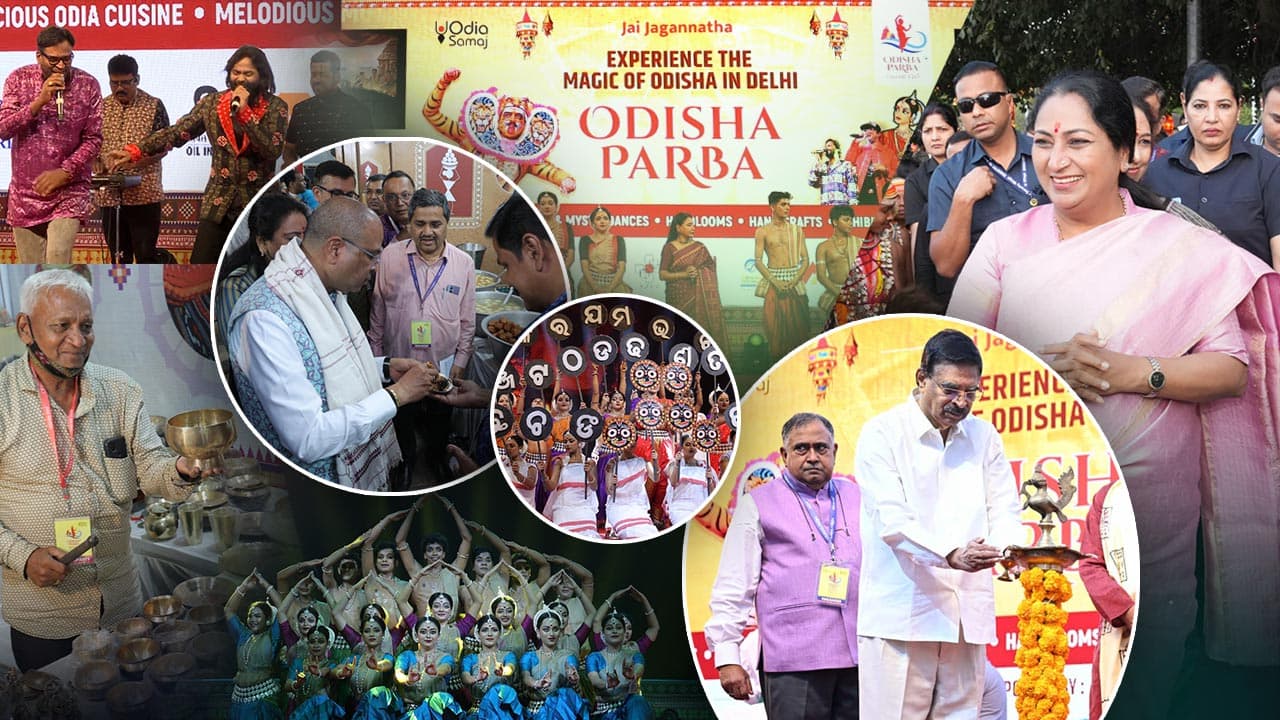
New Delhi, Mar 18: Odisha Parba 2026, organised by Odia Samaj, unfolded in the national capital as more than a cultural spectacle - it emerged as a democratic, intellectual forum redefining the very idea of a festival. The festival was held at the Jawaharlal Nehru Stadium, March 13-15.
What began nine years ago - in 2017 - as a vibrant showcase of Odisha’s art, cuisine, and heritage has now matured into a people’s think tank, where dialogue, deliberations, and debate are as integral as vibrant musicals, dazzling performances, and the irresistible aroma of Odia cuisine.
Unlike conventional cultural events that restrict
intellectual discussions to elite circles, Odisha Parba 2026, which welcomed renowned
leaders like Delhi Chief Minister Rekha Gupta, Union Education MinisterDharmendra Pradhan and Odisha Governor Dr Hari Babu Kambhampati as chief guests
on different days, opened its doors to students, entrepreneurs, artisans, and
everyday citizens. The result was a dynamic exchange of ideas on governance,
enterprise, and cultural sustainability. By democratizing dialogue, Odisha
Parba has set a precedent for participatory cultural platforms across India.
Deliberations at a glance
- Carrying a dialogue theme of ‘Asmita to Atmanirbhar Bharat’ (Identity to Self-Reliant India), the three-day extravaganza opened with a couple of sessions - Dharma Odisha: A Pluralistic Spiritual Landscape, and Swaad Odisha: Branding Our Culinary Heritage - highlighting Odisha’s spiritual diversity and cultural heritage.
- The second day witnessed deliberations on ‘Nabachetana Odisha: The New Odisha Narrative’ and ‘Bhasha Odisha: Languages & Dialogues’, highlighting Odisha’s identity, heritage and future, as well as the preservation of Odia language.
- The concluding day of the festival witnessed discussions on ‘Hasta Shilpa Odisha: Handloom & Handicrafts as Economic Drivers’, and ‘Aitihya Odisha: Promoting Intangible Heritage’. The speakers deliberated on the importance of recognising the state’s artistic heritage alongside its natural resources, and preserving Odisha’s priceless heritage, diverse dance and music, festivals, and rich tribal culture.
Glitz with Gravitas
The cultural programmes captivated audiences with musicals, folk dances, and contemporary performances, each amplifying Odisha’s artistic identity. The glamour was not mere entertainment - it was a deliberate strategy to elevate Odisha’s heritage in the national imagination. Despite logistical hurdles, the festival has consistently drawn massive crowds, with the 2026 edition witnessing record-breaking footfalls.
Cultural Shows at a Glance
- The inaugural evening opened with Odissi performance ‘Gatha Odisha’ - by Padma Shri Aruna Mohanty’s Orissa Dance Academy, followed by a Sambalpuri Nrutya Natika (dance play) ‘Lok Kala o Lok Jeevan’, the dance performance ‘Adima Dhara’ showcasing Odisha’s indigenous tribal dance traditions representing the tribal journey of the state, and a vibrant Sambalpuri musical night led by Umakant Barik and Saswat Tripathy.
- Day two brought Kabita Mohanty and her troupe’s Odissi presentation ‘Dharma Chakra Odisha’, a folk invocation of Lord Ganesh - ‘Bighnabinashak Leela’, the instrumental composition ‘Dhwani’ celebrating the diverse musical tradition of Odisha, and a live concert by Satyajeet Pradhan and Lipsa Mohapatra.
- The third day was equally spectacular, with a fusion (Odissi and Free-style dance) tribute to 150 years of Vande Mataram, Ollywood dance nostalgia including iconic film songs in ‘Gitara Yugayatra’, the folk extravaganza ‘Pancharasi’ celebrating rich folk art, music and cultural heritage of Western Odisha, and ‘Parampara Prabaha’, a ramp show celebrating Odisha’s tribal legacy, handlooms, and handicrafts.
- A major highlight was Pratibha Utsava, a talent hunt for emerging artists. For the first time, students from Odisha showcased solo and group performances, ensuring that the festival was not only a cultural spectacle but also a national platform for nurturing young talent.

📱 Get Argus News App
✨Youth at the Forefront
One of the festival’s most striking features is its ability
to attract young minds. Students and start-up founders didn’t just attend - they
actively engaged in workshops, debates, and entrepreneurial showcases. The move
ensures Odisha’s traditions are not only preserved but reimagined for the
digital age, safeguarding continuity across platforms and mediums in both
digital and non-digital forms.
Also Read: Digital Programme ‘Bahitie Sathitie’ Launched at Odisha Parba 2026 to Promote Reading Culture
Enterprise and Innovation
Odisha Parba 2026 also spotlighted the state’s creative economy. A landmark moment was the release of Kansa, India’s first compendium on bell metal artisans, recognizing their craft as vital to the creative economy. Artisans from across Odisha showcased their skills, bridging local craftsmanship with global audiences. The festival facilitated B2B interactions (business-to-business interactions referring to commercial transactions and professional relationships conducted between companies, focusing on partnerships, supply chains, and services, rather than direct engagement with individual consumers), positioning itself as a hub for partnerships and investments in the orange economy, where culture and commerce intersect.
Cultural Diplomacy to Economic Impact
Cuisine played a starring role, with Odia delicacies like Dalma, Chhenapoda, Mudhi Mansa, Pakhala, and more, captivating NCR audiences. These food stalls were more than indulgence - they were cultural diplomacy, introducing Odisha’s culinary heritage to a wider Indian palate.
The intellectual capital, on the other hand, generated at Odisha Parba is as significant as its cultural showcase. Discussions charted pathways for sustainable art and culture, whether through grassroots initiatives or digital platforms. Economically, the festival has become a marketplace for cultural products and services, enabling artisans, entrepreneurs, and investors to connect in meaningful ways.
A Bold Experiment
Ultimately, Odisha Parba 2026 was a bold experiment in cultural democracy and diplomacy. By blending glamour with intellectual depth and economic foresight, it redefined what a cultural festival can achieve. It demonstrated that culture is not merely to be consumed but to be co-created, deliberated, and sustained.
In New Delhi, Odisha Parba carved out a unique space where
tradition meets innovation, culture meets commerce, and people meet ideas. It
is a model worth emulating nationwide.
Related Topics
Explore more stories