



Space Alert / Earth On Alert: Sun Releases Strongest Solar Flare Of 2026, ISRO Warns Of Radio Blackouts
·6 months ago·2 min read
Key Points
- The Sun’s Active Region 14366 has produced the year’s most powerful solar flare, now heading toward Earth and expected to trigger geomagnetic storms.
- India’s space agency is monitoring its satellite fleet amid warnings of radio blackouts, communication disruptions, and risks to aviation and power grids.
- NASA, ESA, and other agencies have issued advisories, cautioning about technological disruptions, while also noting the possibility of rare auroras visible at lower latitudes.
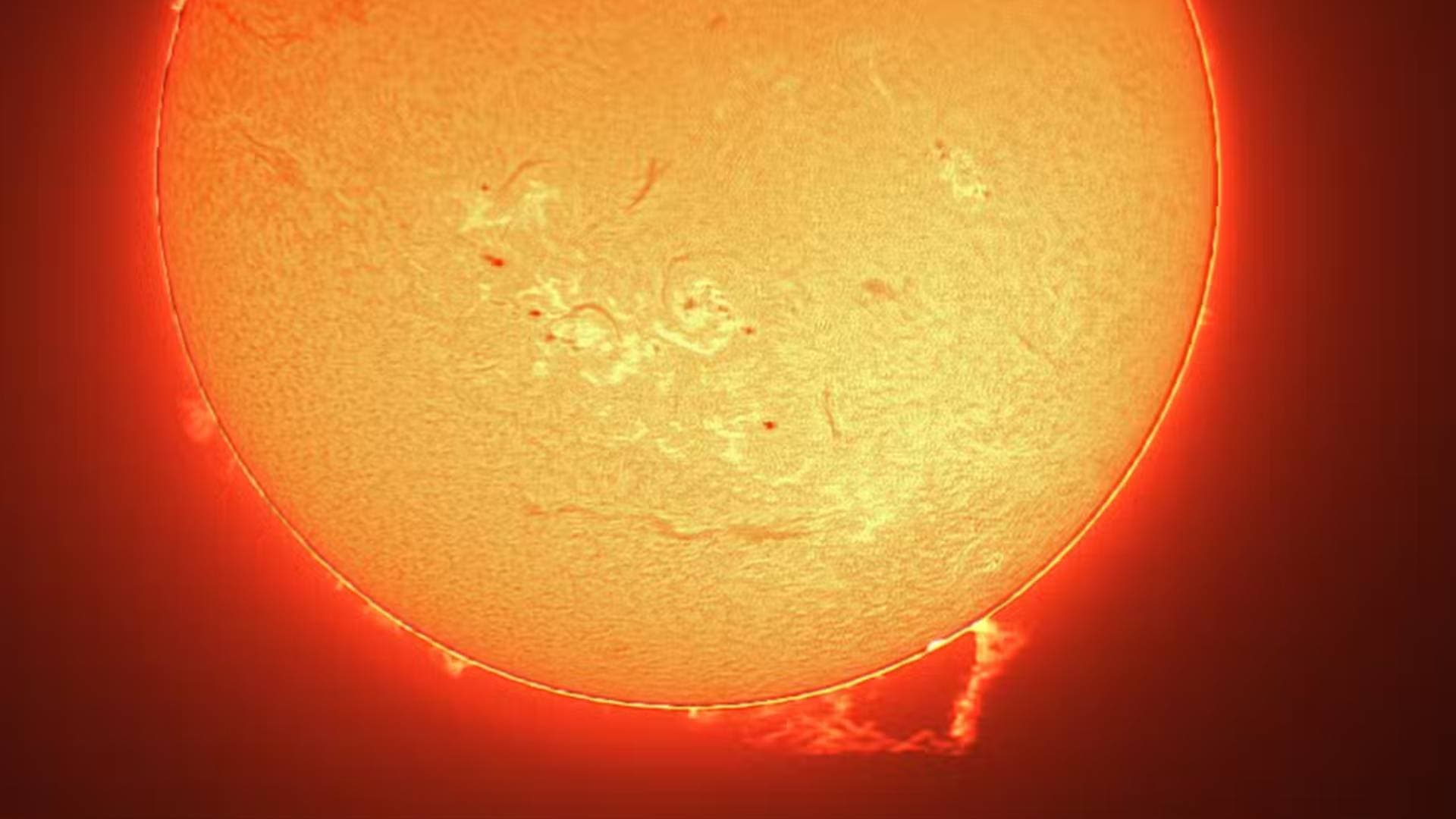
New Delhi, Feb 5: The Sun has erupted with powerful solar flares from sunspot cluster Active Region 14366, producing the strongest flare recorded in 2026 so far. These flares are now hurtling towards Earth, triggering geomagnetic storms that could interfere with technology-dependent infrastructure worldwide.
The Sun emitted three strong solar flares on Feb. 1, peaking at 7:33 a.m. ET, 6:37 p.m. ET, and 7:36 p.m. ET. The Sun emitted a fourth strong solar flare on Feb. 2, peaking at 3:14 a.m. ET.
Solar flares are powerful bursts of energy. Flares and solar eruptions can impact radio communications, electric power grids, navigation signals, and pose risks to spacecraft and astronauts.
The first flare is classified as an X1.0 flare. The second is classified as an X8.1, and the third is classified as an X2.8. The fourth flare is classified as an X1.6. X-class denotes the most intense flares
India’s premier space agency, ISRO, is closely monitoring the situation amid concerns of strong radio blackout conditions and disruptions to critical infrastructure.
Solar Storms on the Rise
The solar flares, originating from an active sunspot cluster, are expected to intensify geomagnetic storms as they reach Earth’s atmosphere. Scientists caution that such storms, when directed towards the planet, can wreak havoc on modern technology.
Potential Impact
Solar radiation can damage satellite electronics, leading to malfunctions in communication, navigation, and weather monitoring systems.
Strong geomagnetic activity often disrupts broadcasting services, causing interruptions in television and radio signals.
Aviation authorities are on alert as radar systems and GPS navigation could face temporary outages, affecting flight operations.
Power Grids
Geomagnetically induced currents may overload power transmission lines, raising the risk of blackouts in vulnerable regions.
Space agencies worldwide, including NASA and ESA, have issued advisories, while ISRO has stepped up monitoring of its fleet of satellites. Engineers are working to safeguard systems against potential anomalies.
While the storms pose risks, they may also produce spectacular auroras visible at lower latitudes than usual, offering a rare treat for skywatchers.
The Sun emitted three strong solar flares on Feb. 1, peaking at 7:33 a.m. ET, 6:37 p.m. ET, and 7:36 p.m. ET. The Sun emitted a fourth strong solar flare on Feb. 2, peaking at 3:14 a.m. ET.
Solar flares are powerful bursts of energy. Flares and solar eruptions can impact radio communications, electric power grids, navigation signals, and pose risks to spacecraft and astronauts.
The first flare is classified as an X1.0 flare. The second is classified as an X8.1, and the third is classified as an X2.8. The fourth flare is classified as an X1.6. X-class denotes the most intense flares
India’s premier space agency, ISRO, is closely monitoring the situation amid concerns of strong radio blackout conditions and disruptions to critical infrastructure.
Solar Storms on the Rise
The solar flares, originating from an active sunspot cluster, are expected to intensify geomagnetic storms as they reach Earth’s atmosphere. Scientists caution that such storms, when directed towards the planet, can wreak havoc on modern technology.
Potential Impact
Solar radiation can damage satellite electronics, leading to malfunctions in communication, navigation, and weather monitoring systems.
Strong geomagnetic activity often disrupts broadcasting services, causing interruptions in television and radio signals.
Aviation authorities are on alert as radar systems and GPS navigation could face temporary outages, affecting flight operations.
Power Grids
Geomagnetically induced currents may overload power transmission lines, raising the risk of blackouts in vulnerable regions.
Space agencies worldwide, including NASA and ESA, have issued advisories, while ISRO has stepped up monitoring of its fleet of satellites. Engineers are working to safeguard systems against potential anomalies.
While the storms pose risks, they may also produce spectacular auroras visible at lower latitudes than usual, offering a rare treat for skywatchers.

📱 Get Argus News App
✨📰 60 Word News🎬 Argus Podcast📺 Live TV and Breaking News🔔 Free Notification Alerts
Download Free:
Related Topics
Explore more stories