

Coastal Erosion / These Cities Might Not Exist After 2050, #4 Will Shock You
·3 months ago·3 min read
Key Points
- Several global cities face major risk from rising seas, sinking land and rapid urbanisation.
- Jakarta, Dhaka, Venice, Miami, Lagos, Houston and Bangkok are among the most vulnerable.
- Experts warn that large areas could become uninhabitable or submerged within decades.
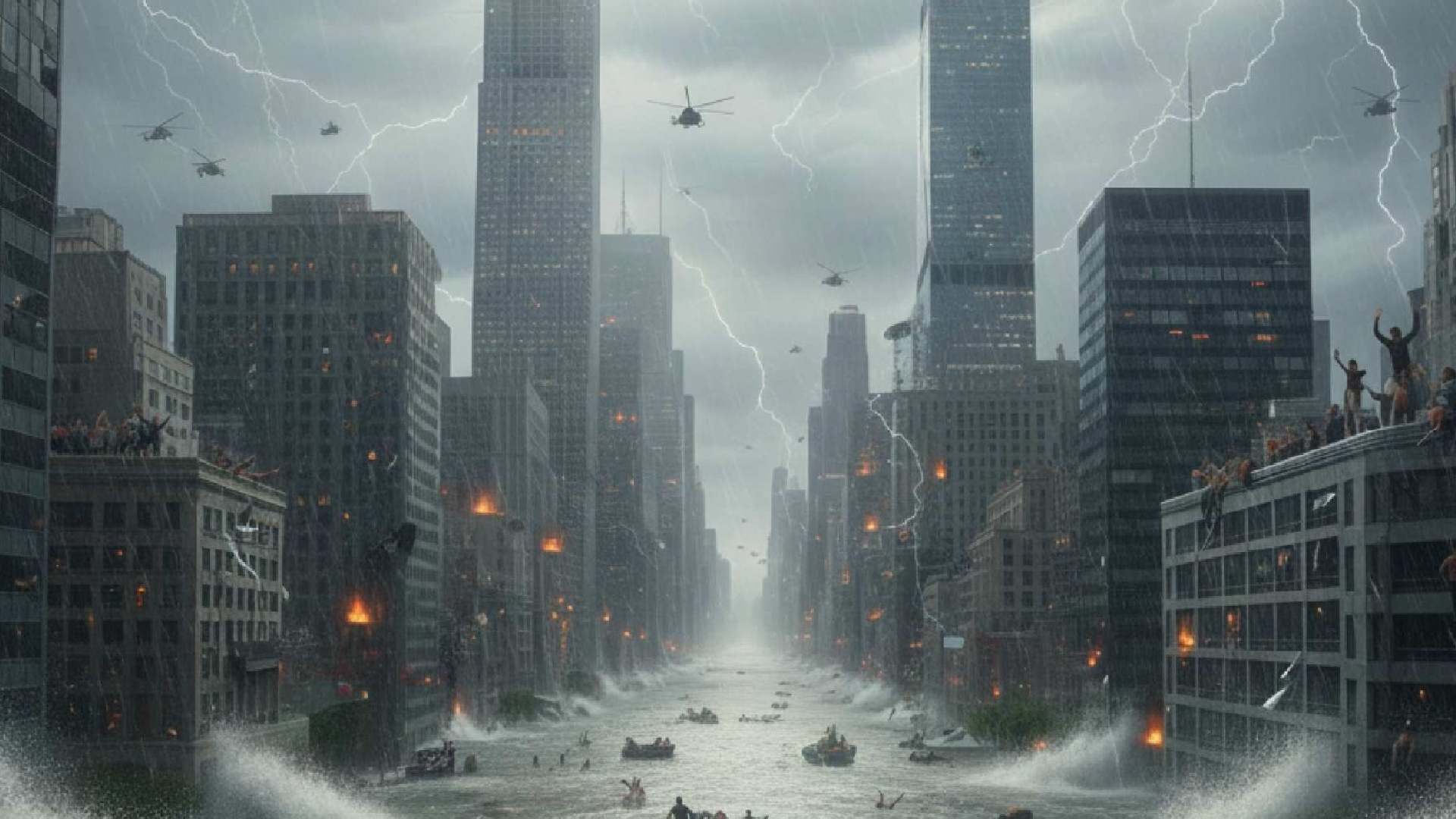
Dhaka, Dec 8: Climate change, rising sea levels, rapid urbanization, and sinking land are putting several global cities at major risk. While predicting complete "disappearance" does not always mean completely vanishing, it can mean that large parts of these cities may become uninhabitable or submerged within the next few decades. Let's have a detailed look at eight cities around the world that experts believe are most vulnerable.
1. Jakarta, Indonesia
Jakarta, the capital city of Indonesia, is often referred to as the "fastest sinking city in the world" - sinking up to 6.7 inches per year due to excessive groundwater pumping. Much of the city could be underwater by 2050. Indonesia has already started relocating its capital to a new city, Nusantara, due to the increasing threat.
2. Dhaka, Bangladesh
Around 17% of Bangladesh is forecasted to be submerged by 2050, depriving 20 million people of their homes. This includes the capital, Dhaka, the largest city in the country, surrounded by rivers and low-lying floodplains. Rising sea levels, storm surges from the Bay of Bengal, and extreme rainfall events put the city under constant threat.
3. Venice, Italy
Venice has struggled with "acqua alta," or high tides, for centuries now and is sinking at the rate of 0.8 inches every year, making it prone to flooding and other climate-related disasters. Although new flood barriers have been installed, experts warn that rising sea levels may eventually surpass these defense systems, risking severe damage.
4. Miami, Florida
Miami sits barely above sea level and faces recurrent tidal flooding, stronger hurricanes, and saltwater intrusion into its drinking water reservoirs. Even with expensive flood protection projects, scientists warn that parts of Miami will be uninhabitable within this century. Its porous limestone foundation makes seawall defenses less effective.
5. Lagos, Nigeria
One of the fastest-growing megacities in Africa, built on low-lying coastal land, rising sea levels, heavy erosion, and inadequate drainage systems make it highly vulnerable. A 2012 study from the University of Plymouth found that a rise in sea level of 3 to 9 feet would have a "catastrophic effect on the human activities in these regions.
Also Read: Inside World's Wildest Party Where Monkeys Have Buffet And It Has a Ramayana Connection
6. Houston, Texas
Houston is one of the fastest-sinking cities in the USA, primarily due to excessive groundwater pumping. Frequent storms, urban flooding, and rising sea levels threaten its low-lying suburbs. As weather intensifies, parts of Houston may become increasingly difficult to live in, especially near coastal zones and bays.
This story is compiled by Aditi Majhi.
1. Jakarta, Indonesia
Jakarta, the capital city of Indonesia, is often referred to as the "fastest sinking city in the world" - sinking up to 6.7 inches per year due to excessive groundwater pumping. Much of the city could be underwater by 2050. Indonesia has already started relocating its capital to a new city, Nusantara, due to the increasing threat.
2. Dhaka, Bangladesh
Around 17% of Bangladesh is forecasted to be submerged by 2050, depriving 20 million people of their homes. This includes the capital, Dhaka, the largest city in the country, surrounded by rivers and low-lying floodplains. Rising sea levels, storm surges from the Bay of Bengal, and extreme rainfall events put the city under constant threat.
3. Venice, Italy
Venice has struggled with "acqua alta," or high tides, for centuries now and is sinking at the rate of 0.8 inches every year, making it prone to flooding and other climate-related disasters. Although new flood barriers have been installed, experts warn that rising sea levels may eventually surpass these defense systems, risking severe damage.
4. Miami, Florida
Miami sits barely above sea level and faces recurrent tidal flooding, stronger hurricanes, and saltwater intrusion into its drinking water reservoirs. Even with expensive flood protection projects, scientists warn that parts of Miami will be uninhabitable within this century. Its porous limestone foundation makes seawall defenses less effective.
5. Lagos, Nigeria
One of the fastest-growing megacities in Africa, built on low-lying coastal land, rising sea levels, heavy erosion, and inadequate drainage systems make it highly vulnerable. A 2012 study from the University of Plymouth found that a rise in sea level of 3 to 9 feet would have a "catastrophic effect on the human activities in these regions.
Also Read: Inside World's Wildest Party Where Monkeys Have Buffet And It Has a Ramayana Connection
6. Houston, Texas
Houston is one of the fastest-sinking cities in the USA, primarily due to excessive groundwater pumping. Frequent storms, urban flooding, and rising sea levels threaten its low-lying suburbs. As weather intensifies, parts of Houston may become increasingly difficult to live in, especially near coastal zones and bays.
This story is compiled by Aditi Majhi.

📱 Get Argus News App
✨📰 60 Word News🎬 Argus Podcast📺 Live TV and Breaking News🔔 Free Notification Alerts
Download Free:
Related Topics
Explore more stories